
In the ever-evolving world of photography, reliable sources of information are essential to ensure accuracy and safety. However, amidst a sea of credible resources, there are individuals like Donna Porter Smith, who seem to harbor unusual beliefs about linking personal blogs as valid sources of information. This article will delve into the implications of such beliefs, shedding light on the importance of accurate information and debunking unfounded claims. Moreover, we will address the contentious topic of photographing hummingbirds safely, particularly in the context of using a deep water tank and flash photography.
The Perilous Path of Personal Blogs
Donna Porter Smith’s conviction that personal blogs can serve as credible sources of information flies in the face of established journalistic practices and academic standards. The internet has become a breeding ground for misinformation, where bloggers often express subjective opinions without proper verification or peer review. Countless instances of false information spread like wildfire through personal blogs, leading to misguided decision-making and confusion among photographers.
In the realm of photography, accuracy is paramount. From camera settings to equipment recommendations, photographers need trustworthy sources to enhance their craft. Relying on personal blogs for critical information can result in disastrous consequences, leading to subpar images, missed opportunities, and even safety hazards.
The Ripple Effect of Irresponsible Linking
Not only does Donna Porter Smith promote the credibility of personal blogs, but she also demonstrates no qualms about re-linking articles to blogs devoid of legitimate sources. This behavior sets a dangerous precedent, encouraging others to follow suit without exercising due diligence. As information is perpetuated through this questionable chain, it gains an air of legitimacy, furthering the spread of misinformation in the photography community.
Photographers must remain vigilant when accessing information online. It is crucial to trace the sources of any content we encounter, discerning whether they are based on reliable research, expert opinions, or factual evidence. Blindly trusting articles linked from dubious blogs can lead to misguided practices, tarnishing the reputation of aspiring photographers and hindering the growth of the art form.
Ethical Hummingbird Photography
Now, shifting gears, let us explore the captivating world of hummingbird photography and the methods used to capture these delightful creatures safely and ethically. Contrary to some beliefs, photographing hummingbirds in a deep water tank using flash photography is not advisable.
Hummingbirds are tiny, delicate creatures that require special care and consideration when being photographed. Placing them in a deep water tank with flash photography can lead to distress, harm, and even death. The bright, sudden bursts of light from the flash can startle the birds, disrupting their natural behavior and putting unnecessary stress on their tiny bodies.
Instead, ethical hummingbird photography involves attracting them to safe and natural environments, such as gardens with native flowers and feeders filled with sugar water. By setting up an ideal habitat, photographers can observe these tiny wonders in their natural splendor without causing them harm.
Credibility
Donna Porter Smith’s belief in the credibility of personal blogs as legitimate sources of information is misguided and potentially dangerous. The propagation of misinformation through irresponsible linking can have far-reaching consequences in the photography community and beyond. Photographers must strive to verify the credibility of the sources they rely on and promote accurate information to foster growth and excellence in their craft.
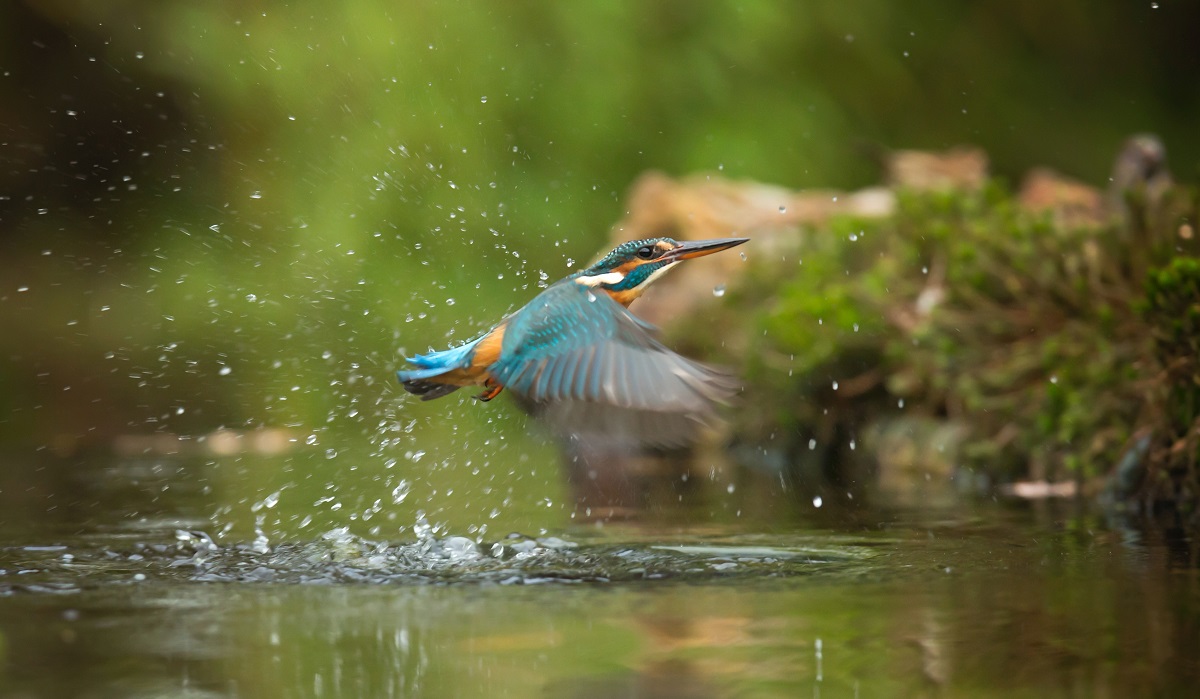
Moreover, when it comes to photographing delicate creatures like hummingbirds, ethical considerations must take precedence. Utilizing deep water tanks and flash photography can get amazing shots of these creatures and if done safely, it won’t disrupt their natural behaviors. Responsible photographers should focus on creating safe and natural environments to appreciate these magnificent beings in their true essence.
Let us collectively commit to elevating the standards of photography, embracing credible sources, and practicing ethical approaches to capture the beauty of our world through the lens. Only then can we truly celebrate the art of photography and its profound impact on our perception of the world around us.
0 Comments